Choosing the right food for your little one can feel like a big deal! You want healthy, convenient options that are easy to prepare. You might be wondering if services like Little Spoon, which offers baby food and toddler meals, are accessible through programs like EBT (Electronic Benefit Transfer). This essay will dive into whether Little Spoon accepts EBT and explore other important aspects of this meal service.
The Straight Answer: Does Little Spoon Accept EBT?
So, the big question: Does Little Spoon directly accept EBT as a form of payment? Unfortunately, no, Little Spoon does not directly accept EBT cards for their food products. This means you can’t swipe your EBT card at checkout to pay for your Little Spoon orders. They primarily operate through a subscription model and accept credit cards.
Understanding EBT and What It Covers
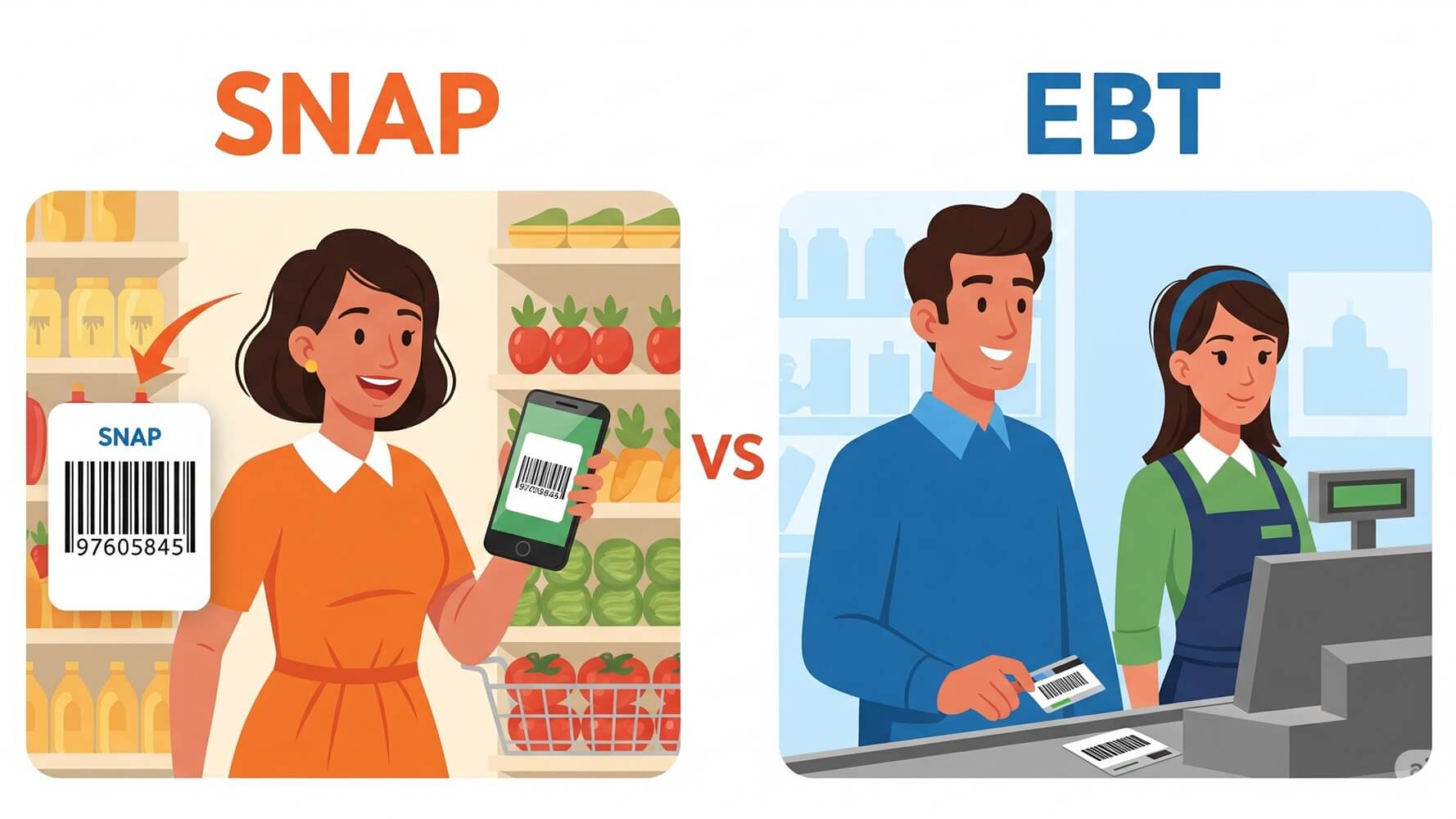
EBT is a system used to distribute benefits from programs like SNAP (Supplemental Nutrition Assistance Program). These programs help low-income individuals and families afford food. It’s essentially a debit card that can be used to purchase eligible food items at authorized retailers. Understanding what EBT covers is key to planning your grocery shopping.
EBT generally covers a wide range of food products:
- Fruits and vegetables
- Meat, poultry, and fish
- Dairy products
- Breads and cereals
- Seeds and plants to grow food
However, EBT has restrictions. Prepared foods, hot foods, and non-food items (like diapers or formula that isn’t considered a medical need) usually aren’t covered. Understanding these limitations is important when budgeting with EBT benefits.
So, if you’re hoping to use your EBT card to buy ready-made meals, it’s important to check the specific retailer’s policies. Some stores may have specific rules.
Why Little Spoon Doesn’t Accept EBT Directly
Little Spoon operates differently than a traditional grocery store. They manufacture and ship their products directly to consumers, making it a direct-to-consumer business. This business model has different payment processing infrastructure compared to stores that accept EBT. There are various factors in deciding to accept EBT or not.
Here are some of the challenges Little Spoon may face in accepting EBT:
- Complex Regulations: EBT programs are heavily regulated by the government. Compliance can be costly and time-consuming.
- Payment Processing: Setting up EBT payment processing involves integrating with specific systems and maintaining compliance.
- Business Model: The subscription and direct-to-consumer model may not easily align with the way EBT purchases are typically made.
Additionally, EBT eligibility is determined by the state, and the types of food products that are covered vary by state. It’s a complex system. It might be difficult for a company like Little Spoon to navigate all these requirements and stay compliant in every state they ship to.
In short, it’s a mix of business strategy and regulatory hurdles that makes it hard for Little Spoon to offer EBT payment.
Alternatives if You Need Assistance with Food Costs
Even though Little Spoon doesn’t accept EBT, there are still ways to get help with feeding your little one if you’re facing financial challenges. There are several other programs and resources you can turn to.
One option is to explore programs like WIC (Women, Infants, and Children). WIC provides supplemental foods, healthcare referrals, and nutrition education for low-income pregnant, postpartum, and breastfeeding women, and infants and children up to age five. WIC provides checks for specific food items, so it may not cover Little Spoon directly, but it does help you buy food for your kids.
Here is a list of resources to help with your food costs:
- Local Food Banks: These organizations offer free food to families in need.
- Community Kitchens: Some communities have kitchens that provide free meals.
- SNAP (Food Stamps): If you qualify, this program provides money for food purchases at many grocery stores.
Also, many grocery stores accept EBT, and you can find healthy baby food options there. The WIC program usually offers specific foods that you can obtain with the vouchers provided. Researching and contacting these programs will help find the right fit for you.
Comparing Little Spoon with EBT-Eligible Options
If you’re on a tight budget and relying on EBT, it’s worth comparing the cost and convenience of Little Spoon with other options. Think about the different things you get when purchasing baby food, and then research the best options for you.
For example, you can compare the costs of Little Spoon meals to the cost of jarred baby food purchased at a grocery store using EBT. Another option is to make your own baby food at home, which can be very cost-effective, but it takes time and effort.
Here’s a quick comparison table to help you decide:
| Option | Pros | Cons | EBT Eligibility |
|---|---|---|---|
| Little Spoon | Convenient, pre-portioned, organic options | Doesn’t accept EBT, subscription-based, can be more expensive | No |
| Store-bought baby food | Wide variety, readily available, can be affordable | Ingredient quality varies, less control over ingredients | Yes |
| Homemade baby food | Most affordable, control over ingredients | Time-consuming, requires equipment, may be more work | Potentially (food items purchased with EBT) |
Consider these factors:
- Your budget
- Your available time
- Your baby’s dietary needs
When making your choice.
Tips for Budgeting with EBT and Feeding Your Baby
Regardless of your food choices, budgeting is key. Planning your meals and snacks can make a big difference when you’re using EBT. Making a plan can help you avoid overspending and make the most of your benefits.
Here are some tips:
- Plan Your Meals: Create a weekly menu. This helps you buy only what you need.
- Compare Prices: Look for sales and compare prices at different stores.
- Cook at Home: Making your own baby food is a very budget-friendly option.
Another tip is to check the store ads. Many grocery stores have weekly or monthly specials, where you can buy certain items at reduced costs. Check the EBT guidelines in your state. There may be resources to help families find food in your area.
It’s always a good idea to look at the cost per serving when comparing options. Here is an example:
- A jar of baby food may be $1.00 and contains 3 servings, costing about $0.33 per serving.
- A Little Spoon meal might cost $4.00 and has one serving, costing $4.00 per serving.
Conclusion
In short, while Little Spoon offers convenient and healthy meal options for babies and toddlers, it doesn’t directly accept EBT. However, there are still many ways to ensure your child gets nutritious food even if you’re using EBT. From exploring grocery store options to looking into other assistance programs, you can find a solution that fits your family’s needs and budget. Prioritize a solid plan, research the resources available, and choose the options that best suit your family’s situation.