Food stamps, officially known as the Supplemental Nutrition Assistance Program (SNAP), are a big help for many families and individuals who need assistance buying food. They provide a debit card, often called an EBT card, that can be used at grocery stores and some farmers’ markets. However, there are some things you just can’t buy with SNAP benefits. This essay will explore some of those items and help you understand the rules of the program.
Non-Food Items
One of the biggest limitations of food stamps is that they are only for food. This means you can’t use your EBT card to buy anything that isn’t considered an edible item, like soap or diapers. So, the question is: Can you buy non-food items with food stamps? No, you cannot.
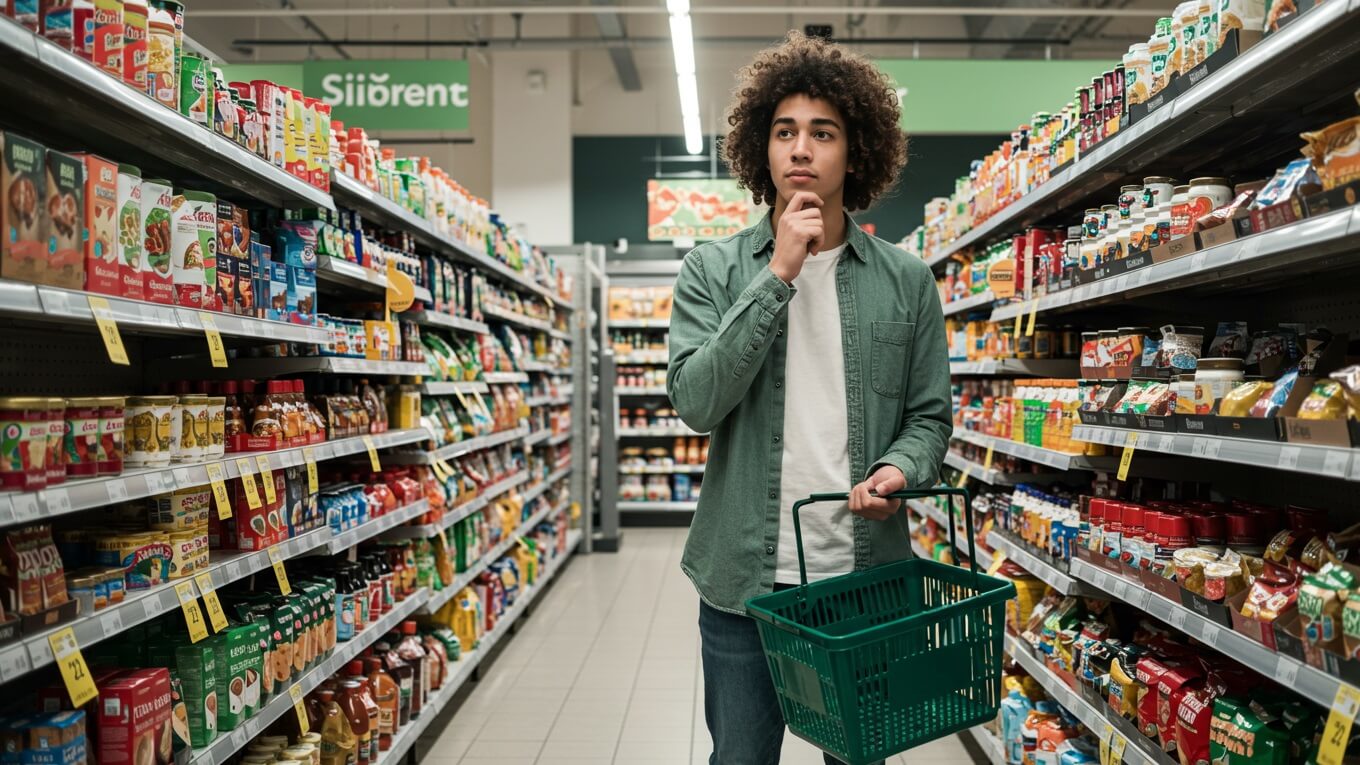
Think of it this way: SNAP is designed to help people get enough to eat, not to cover other expenses. This focus ensures that the program directly addresses the need for food security. It also makes it easier to track how the money is being spent. This helps the government monitor the effectiveness of the program and make sure the funds are being used appropriately.
So, what kind of non-food items are we talking about? Well, pretty much anything you’d find in the cleaning aisle or the pharmacy. Things like shampoo, laundry detergent, paper towels, and toilet paper are all off-limits. Likewise, personal hygiene products such as toothpaste, deodorant, and feminine products are also not eligible. The emphasis is on purchasing items for consumption.
This restriction can be tough, as families often have tight budgets and need to purchase essential household items. It’s important to remember that SNAP is meant to assist with a specific need – nutrition – and that’s why these non-food items are excluded. Other programs and resources may exist to help with the cost of these necessary supplies.
Alcoholic Beverages
Another category of items you can’t purchase with food stamps is alcoholic beverages. This rule is pretty straightforward and helps keep SNAP focused on its primary goal: providing nutritious food for individuals and families.
This includes not only things you might typically think of, like beer, wine, and liquor, but also any other product containing alcohol. The government’s reasoning is that alcohol is not considered a nutritional necessity. The rules are the same across all states participating in the SNAP program. It’s important to remember that this is a federal program, so the rules remain consistent everywhere.
Here are some examples of what you CANNOT buy with food stamps when it comes to alcohol:
- Beer
- Wine
- Liquor (e.g., whiskey, vodka, gin)
- Alcoholic cocktail mixers
The point is to ensure that food assistance funds are being used responsibly and specifically for food. This ensures that the benefits are used for what they’re intended for, namely, feeding people.
Tobacco Products
Similar to alcohol, tobacco products are also prohibited from being purchased with food stamps. This includes cigarettes, cigars, chewing tobacco, and any other item that contains tobacco.
This rule is in place for a few reasons. First, tobacco use can have serious health consequences. The goal of SNAP is to help people live healthier lives by providing access to nutritious food. Second, the purchase of tobacco is seen as a discretionary expense, and SNAP is designed to cover essential food needs. This helps to maximize the impact of the program’s limited resources.
The logic behind these rules is to ensure that benefits are used in a way that promotes health and supports individuals and families in their efforts to obtain nutritious food. Tobacco use is associated with many health problems, and as such, isn’t considered a necessary item. This policy is consistent with other public health initiatives.
In addition to the health concerns, the rule about tobacco aligns with the purpose of SNAP, to support families in need. By not allowing tobacco purchases, the program can better ensure that the funds are directed towards food. It’s a good example of how a well-intentioned program aims to have a specific impact.
Pet Food
While food stamps are for humans, they do not cover pet food. This is another key distinction to keep in mind when using your EBT card. Your furry (or scaled or feathered!) friends will have to get their meals through other means.
While pets are important members of many families, the focus of SNAP is on providing food assistance to people. The intent is to make sure families can afford meals for themselves. Pet food is considered a separate expense, and SNAP is not designed to cover it. The program aims to provide as much support as possible for people’s nutritional needs.
So, what happens if you use your EBT card to buy pet food? This would violate the program rules. This can lead to a few different consequences, like:
- A warning.
- Suspension of benefits.
- Legal action in more serious cases.
The important thing to remember is that SNAP is for human food. Your pets will require you to use other funding methods, like savings or separate purchasing.
Household Supplies
As mentioned earlier, SNAP is specifically for food. This also extends to most household supplies that aren’t edible. This means you can’t buy things like cleaning products, paper goods, or even things like plastic wrap or sandwich bags with your EBT card.
The government’s goal is to ensure that the benefits are spent directly on food. They want to avoid the risk of money being diverted to non-food items. This helps to monitor how the money is being spent and ensure that the program’s funds are used effectively. This helps those participating have food readily available and in the best possible quantity.
Here’s a table showing some common household supplies that you CANNOT buy with food stamps:
| Item | Eligible with SNAP? |
|---|---|
| Dish soap | No |
| Paper towels | No |
| Trash bags | No |
| Laundry detergent | No |
This restriction might seem limiting, but it’s all part of the program’s focus on helping people buy food. This promotes food security and healthy eating. Remember, the program aims to feed people first.
Prepared Foods and Hot Foods
Another restriction to keep in mind is that SNAP generally does not cover the purchase of hot foods or prepared meals from restaurants. This rule helps to maintain a focus on healthy eating and encourages people to prepare their own meals using affordable ingredients.
There are some exceptions. For example, if you are disabled, elderly, or homeless, you might be eligible to use your SNAP benefits at certain restaurants that have been approved by the USDA. Usually, this is to ensure those with limited resources are still able to have access to prepared meals. These exceptions recognize the special needs of some people.
However, the general rule is that you can’t buy hot meals from places like fast-food restaurants or delis with your EBT card. This focuses on encouraging healthy eating habits and makes the program more efficient in addressing food needs.
- Food that is hot at the point of sale.
- Restaurant food.
- Food that is not sold at a participating SNAP retailer.
The takeaway is that SNAP is designed for food you can prepare at home. This is meant to stretch your dollar and help you get the most food for your money.
In conclusion, while food stamps are a valuable resource for helping people access nutritious food, they do come with some limitations. They are primarily for food items, and things like non-food products, alcohol, tobacco, pet food, household supplies, and hot prepared foods are generally not eligible. Understanding these restrictions helps ensure that the program is used appropriately and that you can get the most out of your benefits. If you are ever unsure whether an item is eligible, it is always best to ask a store employee or check with the SNAP guidelines in your state.