Food Stamps, officially known as the Supplemental Nutrition Assistance Program (SNAP), help people with low incomes buy food. It’s like a helping hand so families can afford groceries. Getting SNAP isn’t automatic – you have to meet certain requirements. This essay will explain the main Qualifications For Food Stamps, giving you a clear picture of who can get this important help.
Income Limits: How Much Can You Earn?
One of the most important things SNAP looks at is your income. They want to make sure the people who really need help get it. The exact income limits change depending on where you live and the size of your household. If you make too much money, you won’t qualify.
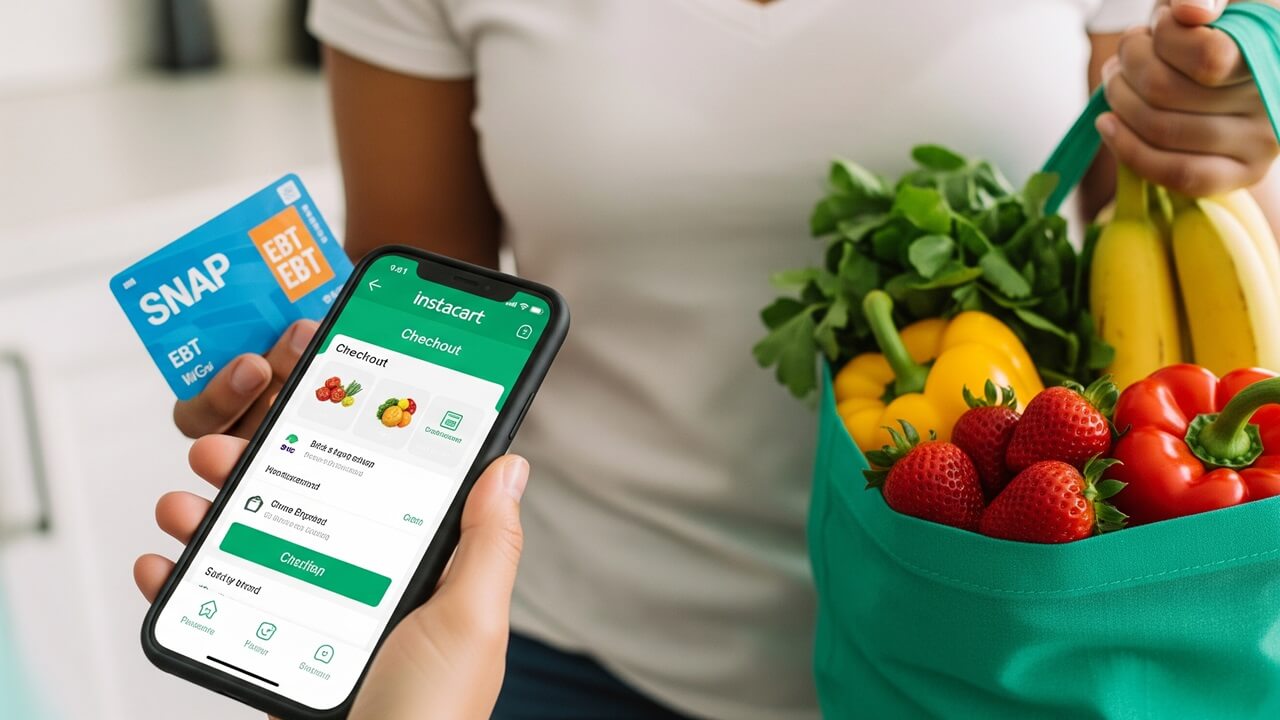
The government sets these income limits to figure out who is eligible. They look at your gross monthly income, which is how much you earn before taxes and other things are taken out. If your income is below a certain level, you might be able to get SNAP. This limit is set by your state, but generally, it is related to the federal poverty guidelines. A bigger family might qualify with a higher income than a smaller one.
To give you an idea, let’s say you’re applying as a single individual. The income limit could be around $1,500 per month, but this varies from state to state. If you’re a family of four, the limit could be closer to $3,000. This is just an example and it is extremely important to check your state’s specific guidelines. SNAP officials often calculate your resources and how they factor into your income limits.
Here’s how the process often works:
- You apply for SNAP through your local or state social services office.
- You will provide information on your income, your assets, and the size of your household.
- Your application is reviewed by the SNAP office in your state.
- You will be informed if you have been approved or denied.
Household Size: Who Counts in Your Family?
SNAP doesn’t just consider your income; they also want to know how many people live with you and share food expenses. This is called your household size. The more people in your household, the more food you need, so the income limits are usually higher.
Generally, a household is defined as people who live together and buy and prepare food together. This might include parents, children, siblings, and sometimes even other relatives or roommates. However, there can be exceptions. For example, if someone is paying rent and buying food separately, they might be considered a separate household.
It’s really important to be honest about your household size when you apply. Providing accurate information helps SNAP correctly assess your needs and determine the right amount of food assistance. It’s also vital to report any changes, like a new baby or someone moving in or out.
Here’s a simple breakdown of what household members often include:
- Spouses.
- Children under age 22 who live with their parents.
- Other relatives who buy and prepare food with you.
- Sometimes, unrelated people who share cooking and food costs.
Assets: What Do You Own?
Besides income, SNAP also looks at your assets, which are things you own. These are things like your savings account, stocks, or other investments. The amount of assets you have can impact your eligibility for SNAP.
SNAP has asset limits, and these limits aren’t huge. The idea is that if you have a lot of money saved up, you should use that to buy food, instead of getting help from SNAP. These limits can change from state to state.
The types of assets included can be:
- Checking and savings accounts.
- Stocks and bonds.
- Cash on hand.
- Some other investments.
However, certain assets are usually excluded. These may include your home and sometimes a vehicle. It’s best to check your state’s guidelines.
SNAP programs often have limits for assets. Here is a table of some example asset limits:
| Household Size | Asset Limit (Example) |
|---|---|
| 1-2 people | $3,000 |
| 3+ people | $5,000 |
Remember these are example figures and will differ in your state.
Work Requirements: Are You Working or Looking for Work?
In most states, if you’re able to work, you might need to meet certain work requirements to get SNAP. This usually means you need to be employed, actively looking for a job, or participating in a job training program.
The goal is to help people become self-sufficient and get them back on their feet. States can have different rules about work requirements, but generally, able-bodied adults without dependents (ABAWDs) need to meet these requirements to remain eligible for SNAP.
There are exceptions, though. If you have a medical condition that prevents you from working, or if you’re taking care of a child under a certain age, you might be exempt. Also, some states may have waivers or programs that help people meet these requirements.
Here are some common ways people meet work requirements:
- Working a certain number of hours per week.
- Actively looking for a job and providing proof of job searches.
- Participating in job training programs.
- Volunteering.
Citizenship and Residency: Who Can Apply?
To get SNAP, you need to be a U.S. citizen or a legal immigrant. States may have different rules about who is eligible based on their immigration status, but the basic requirement is that you must be a resident of the state where you’re applying.
Typically, you must be able to provide proof of your citizenship or your legal immigration status. This usually means showing documents like a birth certificate, a passport, or a permanent resident card (“Green Card”).
You also need to be a resident of the state where you’re applying for SNAP. This means you must live in that state. You’ll likely need to provide proof of residency, like a utility bill or a lease agreement.
Not all immigrants are eligible for SNAP. Here’s a very general overview of eligibility:
- U.S. Citizens are eligible.
- Legal immigrants with certain statuses (like permanent residents) are eligible.
- Undocumented immigrants are generally not eligible.
Application Process and Verification: How to Get Started
The application process for SNAP involves several steps. First, you’ll need to fill out an application. You can usually do this online, in person at a local social services office, or by mail. Then, you’ll need to provide documentation to verify the information you put on your application.
This documentation might include proof of income, such as pay stubs or tax returns. You’ll also need to provide proof of your identity, like a driver’s license or a state-issued ID. The state might also ask you to prove your household size, like by showing birth certificates for your children.
The state will review your application and the documentation. They may also interview you to ask for additional information. If you’re approved, you’ll get a SNAP card, which works like a debit card, to buy groceries. You’ll receive benefits each month.
Here’s a simplified version of the application process:
- Complete an application form (online, in person, or by mail).
- Gather the necessary documentation.
- Submit the application and documentation.
- Attend any interviews, as requested.
- Get notified about the decision.
- Receive your SNAP card (if approved).
So, the most important thing to remember about the Qualifications For Food Stamps is that you have to meet specific income limits, asset limits, and other requirements to be eligible. If you’re struggling to afford food, SNAP might be able to provide some relief. You can find more information on your state’s website or by contacting your local social services office.