Deciding whether to apply for Supplemental Nutrition Assistance Program (SNAP), often called EBT, can be tricky, especially when you’re married and one person is employed. This essay will explore the various factors couples should consider when pondering this question: If Your Married Should Your Wife Apply For EBT If The Husband Works. We’ll look at the rules, the reasons, and the potential benefits and drawbacks of applying for assistance.
Eligibility Based on Income and Resources
The main thing to know is that EBT eligibility is largely determined by your household’s income and resources. The rules look at the combined earnings of everyone living together and sharing meals. This means that even if the husband is working, the wife might still be eligible for EBT, depending on their total income and assets. It’s not just about whether someone has a job, but how much money the household makes. For example, if the family has a low income, they may be eligible.
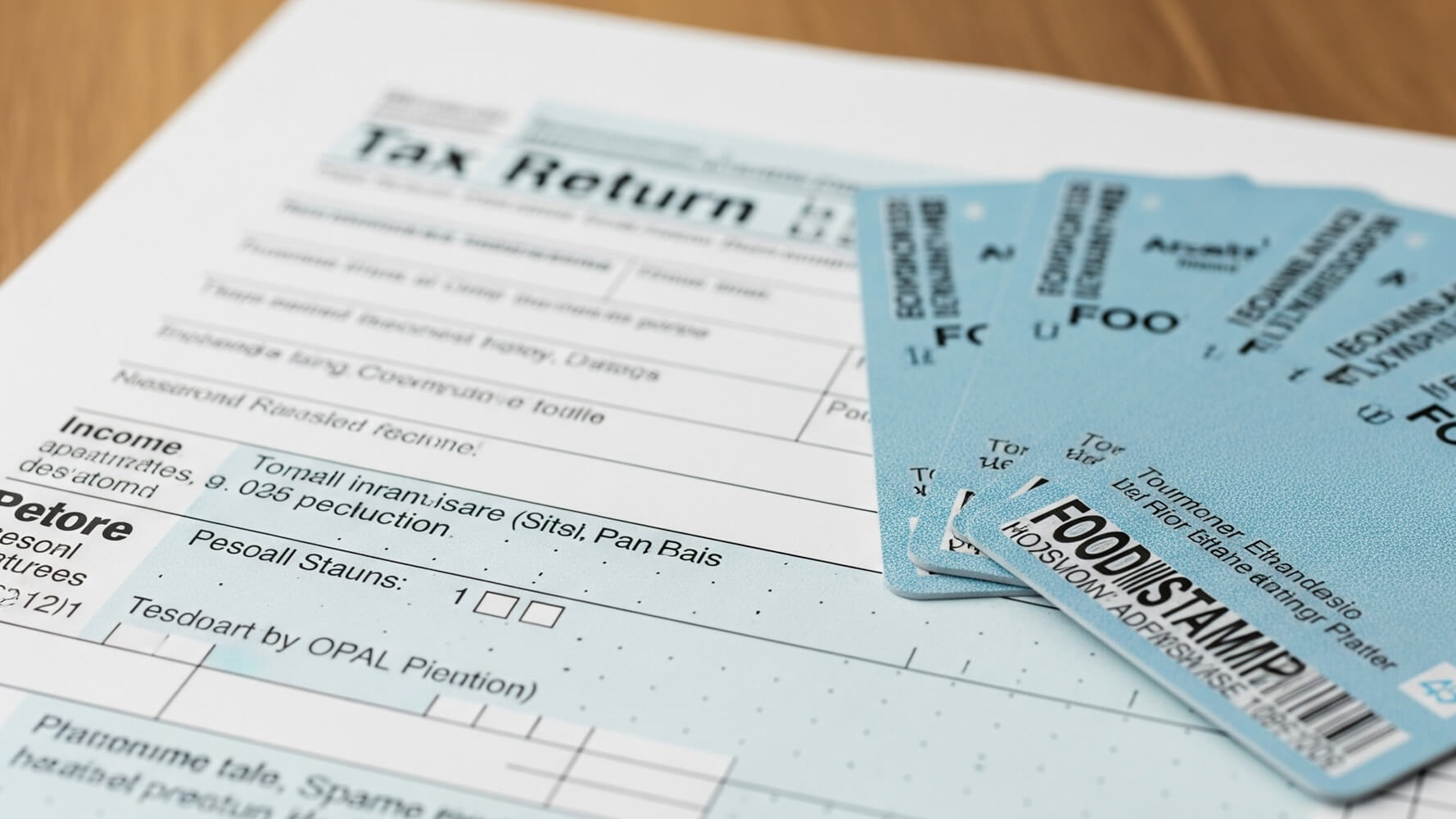
The specific income limits vary from state to state, and they are updated regularly. Some states may have higher income limits than others, allowing more families to qualify. Checking your state’s SNAP guidelines is super important. You can usually find this information on your state’s government website for social services or health and human resources. They will often have an online eligibility tool that helps you figure out your chances of getting SNAP benefits. This tool is often easy to use and helps you understand if you meet the income and resource requirements.
There’s also the consideration of resources, like savings accounts or property. EBT programs often have limits on how much money you can have in the bank or the value of your other assets. This helps them determine if the family is in need of food assistance. It’s important to be honest and transparent when applying for EBT, providing accurate information about your income and assets. Dishonesty can lead to serious penalties.
So, the short answer is that, yes, a wife can apply for EBT even if her husband works, but it all depends on their combined income and resources meeting the program’s requirements.
Benefits and Advantages
Extra Money for Food
One of the most obvious benefits is extra money specifically for buying food. SNAP provides a monthly allowance that can help cover the cost of groceries, freeing up money for other essential needs. This can be a real help if the family is struggling to make ends meet, or if a family member has a medical condition requiring a special diet.
SNAP benefits can be used to purchase a wide variety of food items. This includes:
- Fruits and vegetables
- Meat, poultry, and fish
- Dairy products
- Breads and cereals
- Seeds and plants to grow food
This flexibility allows families to choose healthy and nutritious foods that fit their dietary needs and preferences. It helps to reduce food insecurity, the state of not having reliable access to a sufficient quantity of affordable, nutritious food.
SNAP benefits are usually loaded onto an EBT card, which is used like a debit card at participating grocery stores. This makes it easy and convenient to access and use the benefits. This can be less stressful than trying to budget with limited funds.
Supporting Family Health and Nutrition
When families have more money to buy food, they are more likely to eat healthier meals. This can lead to better overall health for everyone in the household. Good nutrition is especially important for children, as it supports their physical and mental development. This program can help support the health and wellbeing of the family.
When someone in the household is sick or has special dietary needs, SNAP benefits can help them get the foods they need. It can also provide some peace of mind knowing that they can access healthy food even if their income fluctuates. This can reduce the stress of worrying about where the next meal will come from.
Eating healthy can prevent health issues. Studies show that people who get good nutrition have fewer illnesses and hospital visits.
Healthy eating habits can be cultivated with the aid of SNAP, and this makes it easier to take care of those in the family who need help. You can even use the benefits to get the ingredients for cooking meals at home, which is generally healthier and more affordable.
Temporary Assistance and Bridge the Gap
EBT benefits aren’t always meant to be a permanent fix. They can provide a lifeline during tough times, such as a job loss, reduced work hours, or unexpected medical expenses. This temporary boost can help a family stay afloat while they work to improve their financial situation.
Here’s a table that shows how SNAP benefits can help in a crisis:
| Crisis | How SNAP Helps |
|---|---|
| Job Loss | Provides food support while searching for a new job. |
| Reduced Work Hours | Supplements income to ensure adequate food. |
| Unexpected Medical Expenses | Frees up funds to cover healthcare costs. |
| Home Repair Costs | Reduce the burden on budget for buying food |
SNAP offers a safety net for families who are struggling and who need some help to get back on their feet. During challenging times, having food security can greatly reduce stress and allow families to focus on resolving their challenges. This allows a family to better plan their financial future.
Other Assistance Programs
Applying for SNAP might also open doors to other assistance programs. Many states offer programs that work in conjunction with SNAP to provide additional support to low-income families.
These programs can include:
- School Meal Programs
- WIC (Women, Infants, and Children)
- Energy Assistance Programs
- Healthcare programs like Medicaid
Because SNAP is based on need, it often overlaps with the eligibility requirements of other helpful programs. This can mean that if a family qualifies for SNAP, they’re also more likely to qualify for other forms of assistance that can help them cover various expenses, such as medical care, utilities, or childcare.
This can create a more comprehensive support system for the family. These other programs work to support families and help improve their financial stability. This combination of support can help them to address multiple needs and work towards a better future.
Potential Disadvantages and Challenges
Stigma and Social Perception
Sadly, there can be a stigma associated with using food assistance programs. Some people may feel ashamed or embarrassed about needing help, or they may worry about how others will perceive them.
It is important to remember that SNAP is a public benefit available to those who meet the eligibility requirements. People from all walks of life may need help and are not less than others for doing so. This support can help families get through tough times. It is important for everyone to have the basic need of food.
It is worth remembering that, like all social programs, there are varying perspectives about EBT. However, ultimately, getting help when you need it is more important than any judgments other people might make.
Reporting Requirements and Paperwork
Applying for and maintaining SNAP benefits can involve some paperwork and ongoing reporting requirements. Families must provide documentation of their income, resources, and other relevant information, and they may need to report any changes in their circumstances. This might feel like a burden to some people.
Here is some of the paperwork that may be required:
- Proof of Income (pay stubs, tax returns)
- Identification
- Proof of Residency (utility bills, lease)
- Bank statements
- Information about other assets
You can always get help with applications. Some organizations offer assistance with filling out the forms and navigating the application process. The requirements are usually clear, so be sure to check with your state for clarity. Staying organized and keeping track of deadlines is important for successfully managing these requirements.
Limited Benefit Amounts
The amount of SNAP benefits a family receives depends on factors like income, household size, and expenses. The benefit amount is designed to supplement a family’s food budget, not cover the entire cost of their groceries. The amount may not be enough to meet the needs of every family.
In some cases, SNAP benefits might only cover a portion of a family’s food expenses. This means that families still need to budget carefully and make smart choices when shopping for food. Also, here are some suggestions for getting the most out of your SNAP benefits:
- Plan your meals and make a shopping list
- Buy generic brands
- Focus on purchasing fresh fruits, vegetables, and other healthy foods
- Look for sales and discounts
- Learn about local food banks
Some families may need to rely on other assistance programs, such as food banks or charitable organizations, to meet their food needs. Although SNAP benefits can be helpful, they are not always enough. It’s important for families to budget their funds carefully and make smart choices.
Making the Right Decision
Ultimately, the decision of whether or not to apply for EBT is a personal one that should be based on each family’s specific circumstances. Consider your income, expenses, assets, and any other factors that might influence your eligibility.
Here are some questions to ask yourself:
- Are we struggling to afford enough food for our family?
- Are we meeting the income requirements?
- Are we prepared to provide the required documentation?
- Are we comfortable with the idea of using the program, if needed?
It’s okay to ask for help. Consider the pros and cons. Talk to family and friends for support and understanding. Remember, SNAP is available to help families get back on their feet or to help when a family is in a tough spot. Before making a decision, you should also review the eligibility requirements on your state’s website. You can often find resources online that will help.
Consider these options to help make a decision:
- Assess your current food budget.
- Research the eligibility requirements in your state.
- Calculate the potential amount of benefits.
- Consider other resources available to you.
Carefully consider the benefits and disadvantages of using EBT.
How to Apply and Resources
Where to Start
The first step in applying for SNAP is to contact your local Department of Social Services or the equivalent agency in your state. You can typically find the contact information online by searching for “SNAP application” or “food stamps” along with your state’s name.
Here are some things you can do:
- Visit your local Department of Social Services.
- Visit your state’s SNAP website.
- Call the SNAP hotline.
They can provide you with the application forms, answer your questions, and guide you through the process. SNAP applications are also available online. Complete the application carefully. Be sure to gather all the necessary documents before you start.
Be truthful on your application to avoid issues. You might be asked for an interview. This is part of the process, and an agent will confirm the information you provided. The application process can vary by state, but generally involves providing information about your household income, expenses, and other relevant details.
Support and Assistance
If you need help with the application process, there are resources available to assist you. Many community organizations offer free assistance with SNAP applications. These organizations can help you understand the eligibility requirements, complete the paperwork, and navigate the process.
Here are some resources:
| Resource | Description |
|---|---|
| Community Organizations | Provide free assistance with SNAP applications. |
| Food Banks | Offer food assistance to those in need. |
| Legal Aid Societies | Provide free legal assistance to low-income individuals. |
Food banks and charitable organizations can offer short-term assistance. Legal aid societies may provide help with any related legal issues. These services can be incredibly valuable for families struggling to apply for EBT. You are not alone, and help is available. Don’t be afraid to reach out.
Final Thoughts
In conclusion, deciding whether a wife should apply for EBT when the husband works is a personal decision that depends on many factors. While the husband’s employment is a key consideration, it doesn’t automatically disqualify the wife. Eligibility is determined by household income, resources, and other specific requirements. Understanding the benefits, potential drawbacks, and the application process will allow you to make an informed choice that best supports your family’s well-being. If help is needed, do not hesitate to reach out.