Figuring out who qualifies for SNAP (Supplemental Nutrition Assistance Program) can be tricky. You might be wondering, “Do Roommates Count As Household In SNAP?” This is an important question because SNAP benefits are based on the income and resources of everyone in your household. This essay will break down how the rules work, so you can understand whether your roommates are considered part of your SNAP household.
Defining a SNAP Household
So, how do you define a SNAP household? The key thing is whether people share living and eating spaces. Basically, if you’re buying food together and cooking and eating meals together, the government usually sees you as a single household for SNAP purposes. However, there are some exceptions and other factors to consider.
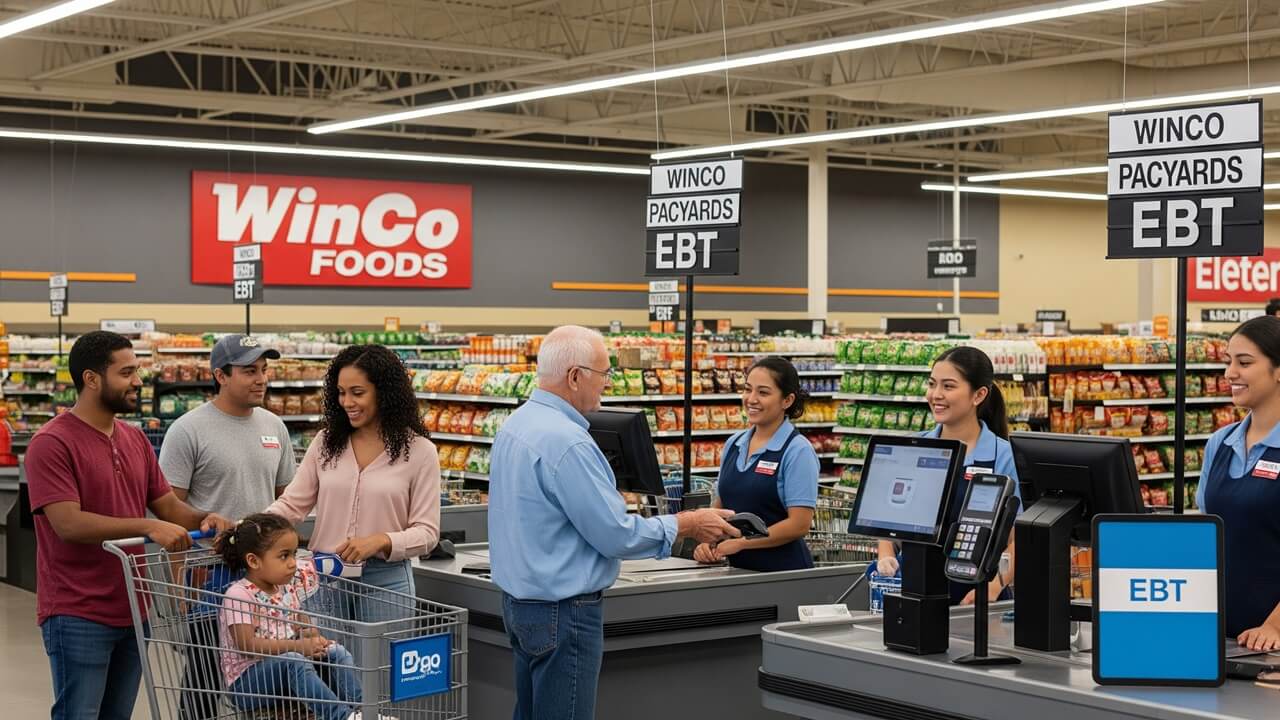
First, think about these aspects:
- Do you buy and prepare food together?
- Do you eat most meals together?
- Do you share any food costs?
If you answer yes to most of those questions, you’re likely considered part of the same household, even if you’re just roommates.
Shared Living Spaces and SNAP
If you share a living space, like an apartment or house, that’s a big clue that you might be considered a household. Generally, if you share a kitchen, you’re likely considered a household for SNAP. This is because sharing a kitchen usually means you have the potential to cook and eat meals together. It shows that you have a connection that might involve splitting bills, in the event that one person does not have funds.
Here’s a table that shows the importance of shared spaces:
| Shared Spaces | Impact on SNAP |
|---|---|
| Kitchen | Strong indication of a household |
| Living room | Suggests shared living, which can be a factor |
| Bedroom | Less relevant on its own |
Having separate bedrooms doesn’t automatically mean you’re separate households, but sharing a kitchen is often a critical factor.
Consider if you are each responsible for your own grocery shopping and food preparation, or if you split those responsibilities. Those things can impact the final decision.
Separate Living Spaces and SNAP
If you and your roommates live in completely separate units, like separate apartments within the same building, you’re almost certainly considered separate households. This is because you have no practical opportunity to share food preparation or expenses. If you were to make separate food preparations, then that does not qualify as a household.
But, think about the situation. If you have your own kitchen, you’re likely not considered a household. The lack of shared spaces is a key factor here.
- If you don’t cook together.
- If you don’t eat together.
- If you don’t split grocery bills.
These things are very important. However, if you and your roommates share an apartment, and just have separate rooms, then that can change things.
Financial Interdependence and SNAP
SNAP officials look at financial interdependence. Do you share any expenses, even beyond food? Do you split rent, utilities, or other bills? This can indicate a household, even if you sometimes eat separately. For instance, if one person has no job, and the other pays all the bills, that suggests a household relationship.
- Sharing rent and utilities suggests a financial connection.
- The type of bills can affect the decision, depending on the connection.
- Paying these bills with some form of equity is important.
This financial interdependence can be an important factor. If there is a financial interdependence, then it may be a household.
So, it’s not only about sharing food but also about whether you depend on each other financially.
Roommate Agreements and SNAP
Written roommate agreements don’t automatically determine your SNAP household status, but they can be helpful. These agreements show how you intend to live and whether you plan to share expenses. If the agreement says you’ll buy food and cook separately, that can support the idea that you’re not a household. If you agree to split all bills, that could show interdependence.
However, the SNAP agency will still look at how you actually live, not just what’s on paper. The agreement is just one piece of evidence.
So, a roommate agreement is just one part of the big picture, and it can be used by a social worker during the SNAP qualification process.
- It can help clarify living arrangements.
- It’s not the only factor.
- The reality of your living situation matters most.
These agreements show how expenses are handled and can be useful for the SNAP official.
SNAP Applications and Disclosures
When you apply for SNAP, you’ll need to provide information about everyone who lives with you and shares living expenses. This includes your roommates, and the agency will investigate the situation. They’ll ask questions about your living arrangements and financial interdependence to decide if you’re a household. If you’re not honest on your application, it can cause issues.
You must be truthful about how you share food and expenses. Failing to do so can lead to penalties, such as being cut off from benefits, or other actions.
- Answer all questions truthfully.
- Provide any documentation requested.
- Be prepared for an interview to clarify your living situation.
The SNAP agency will verify the information, so it’s important to be upfront and honest.
Specific Circumstances and SNAP
Some situations might change how SNAP rules apply. For example, if you and your roommate have a formal written agreement about buying food and cooking separately, the agency might consider you separate households. If you’re related to your roommate, or you’re married, you’re generally considered a household.
Here’s a table with different circumstances:
| Situation | Likely Household Status |
|---|---|
| Related roommates | Usually a household |
| Married roommates | Always a household |
| Written separate agreements | Potentially separate, depending on actual living |
If you have a special situation, like having separate food sources, that can also change how SNAP applies to you. So, it’s important to give the SNAP agency all the details.
The SNAP agency considers the situation, so it is important to supply them with that information.
Conclusion
So, when answering the question, “Do Roommates Count As Household In SNAP?” it often comes down to whether you share living spaces, prepare and eat food together, and are financially interdependent. The SNAP agency looks at your living situation. Providing accurate information and being honest about your situation is critical during the application process. If in doubt, it is best to consult with a SNAP official to understand how the rules apply to you.